Buy przewodnikwroclaw.eu ?
We are moving the project
przewodnikwroclaw.eu .
Are you interested in purchasing the domain
przewodnikwroclaw.eu ?
domain@kv-gmbh.de · 0541-91531010
Buy przewodnikwroclaw.eu ?
How does the process of cell culture technology proceed?
Cell culture technology involves the growth and maintenance of cells outside of their natural environment, typically in a laboratory setting. The process begins with the selection of the appropriate cell type and the preparation of a suitable growth medium. The cells are then isolated from their natural environment and placed in a sterile culture vessel, where they are provided with the necessary nutrients and conditions for growth. The culture is regularly monitored and maintained to ensure the cells remain healthy and continue to proliferate. This technology is widely used in research, drug development, and biotechnology for studying cell behavior, producing biological products, and testing potential therapies. **
Does the daughter cell have the same cell type as the mother cell?
The daughter cell may or may not have the same cell type as the mother cell. During cell division, if the daughter cell undergoes differentiation, it may develop into a different cell type than the mother cell. However, if the daughter cell undergoes mitosis, it will be an exact copy of the mother cell and will have the same cell type. Therefore, whether the daughter cell has the same cell type as the mother cell depends on the specific context of the cell division process. **


Similar search terms for Cell
Top-Angebote
Products related to Cell:
-
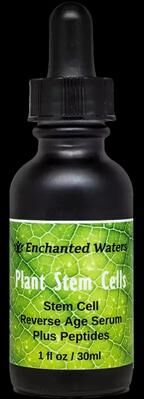
DynamicDeals Stem Cell Serum Anti Aging Real Stem Cell Cultures Matrixyl 3000 Hyaluronic Acid Stem Cell Serum Anti Aging Real Stem Cell Cultures Matrixyl 3000 Hyaluronic AcidFeatures:Enriched With REAL Plant Stem Cell CulturesFights Environmental Aggressors, Boosts CollagenRepairs Cell Damage & Enhances Skins Own DefensePeptide Rich with Matrixyl 3000Description:Weve taken these fantastic antiaging skincare geniuses and...40,97 $*Shipping: 0,00 $Secure redirect to the provider
-
Costway Captain Bucket Seat with Waterproof PVC Leather for Boat Sightseeing-White"Take Your Marine Adventures to the Next Level! Our captain bucket seat measures 23"" x 24"" x 21""(L x W x H) and it can be installed on the boat platform for seating, on the boat swivel, or on a pedestal for captains."232,99 $*Shipping: 0,00 $Secure redirect to the provider
-
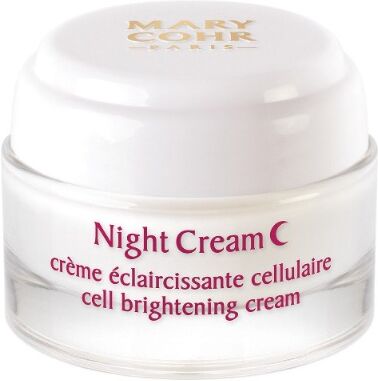
Mary Cohr Cell Brightening Cream 50mlThe Mary Cohr Cell Brightening Cream gives a soft, matt finish, combines two cellular actions on pigmentation: it visibly unifies the complexion and it lessens the appearance of pigmentation spots. Key benefits include: Brightens and evens the complexion Dark spots are reduced Vitamin C visibly brightens the complexion and refines the skin’s texture Melanoxyl reduces-UV-induced melanin production Suitable for Pigmented Skin Types. Ingredients water (aqua), glycerin, butylene glycol, cetearyl isononanoate, arachidyl alcohol, caprylic/capric/succinic triglyceride, dimeticone, hydrogenated polyisobutene, pentylene glycol, behenyl alcohol, sodium ascorbyl phosphate, cetyl alcohol, cyclopentasiloxane, ethylhexylglycerin, arachidyl glucoside, cyclohexasiloxane, hydroxyethyl acrylate/sodium acyloyldimethyl taurate copolymer, fragrance (parfum), acrylates/c 10-30 alkyl acrylate crosspolymer, xanthan gum, triethanolamine, bht, disodium edta, glyceryl acrylate/acrlyic acid copolymer, propylene glycol, brassica napus extract, polysorbate 60, sorbitan isostearae, linalool, geraniol, citronellol, ascorbyl palmitate, alpha-isomethyl ionone, citric acid, glyceryl oleate, glyceryl stearate.48,40 £*Shipping: 0,00 £Secure redirect to the provider


-
What are the cell organelles in cell biology?
Cell organelles are specialized structures within a cell that perform specific functions. Some of the main organelles in cell biology include the nucleus, which houses the cell's genetic material; mitochondria, which are responsible for producing energy; the endoplasmic reticulum, involved in protein synthesis and lipid metabolism; Golgi apparatus, which processes and packages proteins; lysosomes, which contain enzymes for breaking down waste materials; and the cytoskeleton, which provides structure and support to the cell. Each organelle plays a crucial role in the overall functioning of the cell. **
-
What are half-cell reactions and cell reactions?
Half-cell reactions are the individual chemical reactions that occur at each electrode in an electrochemical cell. In a half-cell reaction, electrons are either gained or lost, resulting in a change in oxidation state of the species involved. When two half-cell reactions are combined, they form a complete cell reaction, which describes the overall chemical process that occurs in the electrochemical cell. The cell reaction represents the overall flow of electrons and the transfer of species between the two half-cells. **
-
How does each cell arise from another cell?
Each cell arises from another cell through the process of cell division. During cell division, a parent cell duplicates its genetic material and then divides into two daughter cells. This process can occur through either mitosis, which produces two identical daughter cells, or meiosis, which produces four daughter cells with half the genetic material of the parent cell. In both cases, the new cells inherit their genetic material from the parent cell and continue the cycle of growth and division. **
-
Why is the liver cell an animal cell?
The liver cell is an animal cell because it is a part of the liver, which is an organ found in animals. Animal cells, including liver cells, are eukaryotic cells, meaning they have a true nucleus and other membrane-bound organelles. Additionally, animal cells do not have a cell wall, which is a characteristic of plant cells. The liver cell also performs specific functions related to the metabolism and detoxification of the body, which are essential for animal physiology. **


Can you provide a summary of the cell cycle of cells in culture?
The cell cycle of cells in culture consists of four main stages: G1 (gap 1), S (synthesis), G2 (gap 2), and M (mitosis). During G1, the cell grows and carries out its normal functions. In the S phase, the cell replicates its DNA. In G2, the cell continues to grow and prepares for mitosis. Finally, during M phase, the cell divides into two daughter cells through the processes of mitosis and cytokinesis. This cycle allows for the growth and reproduction of cells in culture. **
What is the Daniell cell in a galvanic cell?
The Daniell cell is a type of galvanic cell that consists of a copper electrode immersed in a solution of copper sulfate and a zinc electrode immersed in a solution of zinc sulfate. The two half-cells are connected by a salt bridge or porous barrier, allowing the flow of ions to complete the circuit. In this cell, zinc undergoes oxidation at the anode, releasing electrons, which flow through the external circuit to the copper cathode where reduction occurs. This flow of electrons generates an electric current. **
Top-Angebote
Products related to Cell:
-
From the Archives: Black History and Culture Value PackThis brand-new series is rooted in a profound commitment to shedding light on some of the important -- and often lesser-known -- aspects of Black history. From the Archives features landmarks, events, people, and artistic endeavors that have played...26,99 $*Shipping: 0,00 $Secure redirect to the provider
-
Orion The Book of Humans by Adam Rutherford – A Brief History of Culture, Sex, War & EvolutionWHAT MAKES US HUMAN? Waging war? Sex for pleasure? Creating art? Mastery of fire? In this thrilling tour of the animal kingdom, Adam Rutherford tells the story of how we became the unique creatures we are today. Illuminated by the latest scientific discoveries, THE BOOK OF HUMANS is a dazzling compendium of what unequivocally fixes us as animals, and reveals how we are extraordinary among them.4,98 £*Shipping: 1,99 £Secure redirect to the provider
-
DynamicDeals Stem Cell Serum Anti Aging Real Stem Cell Cultures Matrixyl 3000 Hyaluronic Acid Stem Cell Serum Anti Aging Real Stem Cell Cultures Matrixyl 3000 Hyaluronic AcidFeatures:Enriched With REAL Plant Stem Cell CulturesFights Environmental Aggressors, Boosts CollagenRepairs Cell Damage & Enhances Skins Own DefensePeptide Rich with Matrixyl 3000Description:Weve taken these fantastic antiaging skincare geniuses and...40,97 $*Shipping: 0,00 $Secure redirect to the provider
-
Costway Captain Bucket Seat with Waterproof PVC Leather for Boat Sightseeing-White"Take Your Marine Adventures to the Next Level! Our captain bucket seat measures 23"" x 24"" x 21""(L x W x H) and it can be installed on the boat platform for seating, on the boat swivel, or on a pedestal for captains."232,99 $*Shipping: 0,00 $Secure redirect to the provider
-
How does the process of cell culture technology proceed?
Cell culture technology involves the growth and maintenance of cells outside of their natural environment, typically in a laboratory setting. The process begins with the selection of the appropriate cell type and the preparation of a suitable growth medium. The cells are then isolated from their natural environment and placed in a sterile culture vessel, where they are provided with the necessary nutrients and conditions for growth. The culture is regularly monitored and maintained to ensure the cells remain healthy and continue to proliferate. This technology is widely used in research, drug development, and biotechnology for studying cell behavior, producing biological products, and testing potential therapies. **
-
Does the daughter cell have the same cell type as the mother cell?
The daughter cell may or may not have the same cell type as the mother cell. During cell division, if the daughter cell undergoes differentiation, it may develop into a different cell type than the mother cell. However, if the daughter cell undergoes mitosis, it will be an exact copy of the mother cell and will have the same cell type. Therefore, whether the daughter cell has the same cell type as the mother cell depends on the specific context of the cell division process. **
-
What are the cell organelles in cell biology?
Cell organelles are specialized structures within a cell that perform specific functions. Some of the main organelles in cell biology include the nucleus, which houses the cell's genetic material; mitochondria, which are responsible for producing energy; the endoplasmic reticulum, involved in protein synthesis and lipid metabolism; Golgi apparatus, which processes and packages proteins; lysosomes, which contain enzymes for breaking down waste materials; and the cytoskeleton, which provides structure and support to the cell. Each organelle plays a crucial role in the overall functioning of the cell. **
-
What are half-cell reactions and cell reactions?
Half-cell reactions are the individual chemical reactions that occur at each electrode in an electrochemical cell. In a half-cell reaction, electrons are either gained or lost, resulting in a change in oxidation state of the species involved. When two half-cell reactions are combined, they form a complete cell reaction, which describes the overall chemical process that occurs in the electrochemical cell. The cell reaction represents the overall flow of electrons and the transfer of species between the two half-cells. **
Similar search terms for Cell
-
Mary Cohr Cell Brightening Cream 50mlThe Mary Cohr Cell Brightening Cream gives a soft, matt finish, combines two cellular actions on pigmentation: it visibly unifies the complexion and it lessens the appearance of pigmentation spots. Key benefits include: Brightens and evens the complexion Dark spots are reduced Vitamin C visibly brightens the complexion and refines the skin’s texture Melanoxyl reduces-UV-induced melanin production Suitable for Pigmented Skin Types. Ingredients water (aqua), glycerin, butylene glycol, cetearyl isononanoate, arachidyl alcohol, caprylic/capric/succinic triglyceride, dimeticone, hydrogenated polyisobutene, pentylene glycol, behenyl alcohol, sodium ascorbyl phosphate, cetyl alcohol, cyclopentasiloxane, ethylhexylglycerin, arachidyl glucoside, cyclohexasiloxane, hydroxyethyl acrylate/sodium acyloyldimethyl taurate copolymer, fragrance (parfum), acrylates/c 10-30 alkyl acrylate crosspolymer, xanthan gum, triethanolamine, bht, disodium edta, glyceryl acrylate/acrlyic acid copolymer, propylene glycol, brassica napus extract, polysorbate 60, sorbitan isostearae, linalool, geraniol, citronellol, ascorbyl palmitate, alpha-isomethyl ionone, citric acid, glyceryl oleate, glyceryl stearate.48,40 £*Shipping: 0,00 £Secure redirect to the provider
-
Titan Assassins Creed - The Complete Visual History: The Definitive Visual HistoryThis stunning book explores the rich mythology of Assassins Creed®, featuring the art and history of the series from the first groundbreaking game through the graphic novels to the DLCs. Highlighting the lush and vibrant art that has become a hallmark of the series, this luxury coffee-table book brings the games famous historical locations and figures to life and explores the evolution of each iconic Assassin and Templar.15,99 £*Shipping: 2,99 £Secure redirect to the provider
-
Uplifted Goods Optical Precision Pet Claw Architecture Optical Precision Pet Claw ArchitectureEnhance your pet grooming safety with the Optical Precision Pet Claw Architecture. This professional grade grooming solution is engineered with a specialized LED Illumination System designed to provide a definitive view of the delicate internal vein...39,97 $*Shipping: 0,00 $Secure redirect to the provider
-
How does each cell arise from another cell?
Each cell arises from another cell through the process of cell division. During cell division, a parent cell duplicates its genetic material and then divides into two daughter cells. This process can occur through either mitosis, which produces two identical daughter cells, or meiosis, which produces four daughter cells with half the genetic material of the parent cell. In both cases, the new cells inherit their genetic material from the parent cell and continue the cycle of growth and division. **
-
Why is the liver cell an animal cell?
The liver cell is an animal cell because it is a part of the liver, which is an organ found in animals. Animal cells, including liver cells, are eukaryotic cells, meaning they have a true nucleus and other membrane-bound organelles. Additionally, animal cells do not have a cell wall, which is a characteristic of plant cells. The liver cell also performs specific functions related to the metabolism and detoxification of the body, which are essential for animal physiology. **
-
Can you provide a summary of the cell cycle of cells in culture?
The cell cycle of cells in culture consists of four main stages: G1 (gap 1), S (synthesis), G2 (gap 2), and M (mitosis). During G1, the cell grows and carries out its normal functions. In the S phase, the cell replicates its DNA. In G2, the cell continues to grow and prepares for mitosis. Finally, during M phase, the cell divides into two daughter cells through the processes of mitosis and cytokinesis. This cycle allows for the growth and reproduction of cells in culture. **
-
What is the Daniell cell in a galvanic cell?
The Daniell cell is a type of galvanic cell that consists of a copper electrode immersed in a solution of copper sulfate and a zinc electrode immersed in a solution of zinc sulfate. The two half-cells are connected by a salt bridge or porous barrier, allowing the flow of ions to complete the circuit. In this cell, zinc undergoes oxidation at the anode, releasing electrons, which flow through the external circuit to the copper cathode where reduction occurs. This flow of electrons generates an electric current. **
* All prices are inclusive of VAT and, if applicable, plus shipping costs. The offer information is based on the details provided by the respective shop and is updated through automated processes. Real-time updates do not occur, so deviations can occur in individual cases. ** Note: Parts of this content were created by AI.