Buy przewodnikwroclaw.eu ?
We are moving the project
przewodnikwroclaw.eu .
Are you interested in purchasing the domain
przewodnikwroclaw.eu ?
domain@kv-gmbh.de · 0541-91531010
Buy przewodnikwroclaw.eu ?
Are there basic concepts in history?
Yes, there are basic concepts in history that help us understand and interpret the past. Some of these concepts include causation, change and continuity, empathy, significance, and evidence. These concepts help historians analyze and make sense of historical events, developments, and processes. By applying these basic concepts, historians can gain a deeper understanding of the complexities of the past and its impact on the present. **
How can one review basic knowledge in history?
One can review basic knowledge in history by starting with a general overview of the subject, such as a timeline of key events or a summary of major historical periods. It is also helpful to focus on specific topics or themes within history, such as political movements, cultural developments, or economic changes. Utilizing resources like textbooks, online articles, documentaries, and educational websites can provide a comprehensive review of historical information. Additionally, engaging in discussions with others, creating flashcards, or taking practice quizzes can help reinforce and solidify one's understanding of historical concepts. **

Similar search terms for Basic
Top-Angebote
Products related to Basic:
-
Whole-Home Basic BundleEufy SoloCam E30: 360° Vision, Every Corner in Sight: Enjoy comprehensive coverage with a wide viewing angle, minimizing blind spots and allowing you to monitor your front porch, yard, or even your driveway. Homebase™ S380: Schedule for Eufy...887,25 $*Shipping: 0,00 $Secure redirect to the provider




-
How can one acquire basic knowledge in architecture on their own?
One can acquire basic knowledge in architecture on their own by starting with books and online resources that cover the fundamentals of architectural history, theory, and design principles. Visiting architectural landmarks and studying their design and construction can also provide valuable insights. Additionally, learning to sketch and create simple architectural drawings can help in understanding the basics of architectural representation. Finally, engaging in discussions with architects and attending architecture-related events and exhibitions can further enhance one's understanding of the field. **
-
How can one review the basic knowledge in history?
One can review basic knowledge in history by starting with a general overview of key historical events and timelines. This can be done through reading introductory history books, watching documentaries, or taking online courses. It is also helpful to create a timeline or concept map to visually organize and connect important historical information. Finally, discussing and debating historical topics with others can help reinforce and deepen one's understanding of the subject. **
-
Which advanced and basic courses should I choose? Physics (advanced), French (advanced), Civics (basic), Geography (basic), Biochemistry (basic).
It ultimately depends on your interests and future goals. If you are considering a career in science or engineering, taking advanced Physics and Biochemistry would be beneficial. If you are interested in pursuing a career in international relations or language-related fields, advanced French could be a good choice. Basic Civics and Geography courses can provide you with a foundational understanding of important social and environmental issues. Consider your strengths, interests, and future aspirations when making your decision. **
-
What does "basic" stand for in Govee RGBIC Basic?
In the Govee RGBIC Basic, "basic" likely stands for a simplified or essential version of the RGBIC LED strip. It may indicate that this version offers the fundamental features and functions of the RGBIC LED strip without additional advanced or premium capabilities. This could make it a more affordable and accessible option for those looking for basic color-changing lighting effects. **


What literature recommendations are there for the basic studies of civil engineering and architecture?
For basic studies in civil engineering, "Statics and Mechanics of Materials" by Ferdinand Beer and E. Russell Johnston Jr. is a fundamental text that covers the principles of statics and mechanics of materials, which are essential for understanding the behavior of structures. "Fundamentals of Building Construction: Materials and Methods" by Edward Allen and Joseph Iano is a comprehensive guide to the materials and methods used in building construction, providing a solid foundation for understanding the construction process. For architecture, "A Global History of Architecture" by Francis D.K. Ching and Mark M. Jarzombek offers a comprehensive overview of architectural history from prehistoric times to the present, providing a broad understanding of the evolution of architectural styles and movements. "Architectural Graphics" by Francis D.K. Ching is a classic text that covers the essential principles of architectural drawing and representation, providing a solid foundation for developing drawing skills and understanding architectural communication. **
Which advanced and basic courses should I choose? Physics (advanced level), French (advanced level), Civics (basic level), Geography (basic level), Biochemistry (basic level).
If you are looking to challenge yourself and excel in your studies, I would recommend choosing Physics and French at the advanced level. These courses will provide you with a strong foundation in two important subjects. For the basic level courses, Civics and Geography are essential subjects that will provide you with a good understanding of society and the world around you. Biochemistry at the basic level can also be beneficial if you have an interest in the sciences. **
Top-Angebote
Products related to Basic:
-
From the Archives: Black History and Culture Value PackThis brand-new series is rooted in a profound commitment to shedding light on some of the important -- and often lesser-known -- aspects of Black history. From the Archives features landmarks, events, people, and artistic endeavors that have played...26,99 $*Shipping: 0,00 $Secure redirect to the provider
-
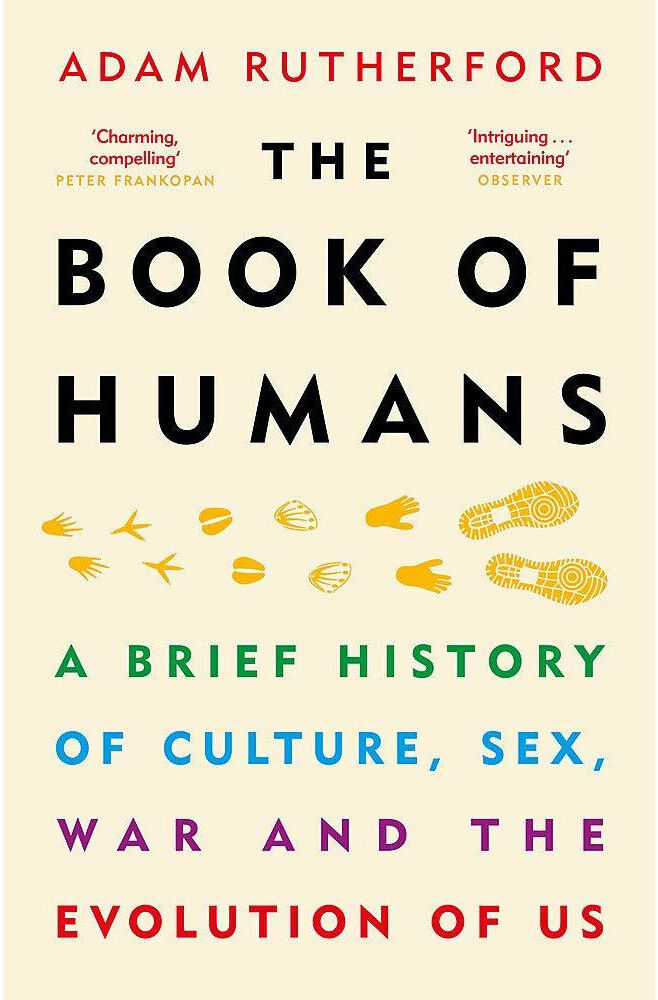
Orion The Book of Humans by Adam Rutherford – A Brief History of Culture, Sex, War & EvolutionWHAT MAKES US HUMAN? Waging war? Sex for pleasure? Creating art? Mastery of fire? In this thrilling tour of the animal kingdom, Adam Rutherford tells the story of how we became the unique creatures we are today. Illuminated by the latest scientific discoveries, THE BOOK OF HUMANS is a dazzling compendium of what unequivocally fixes us as animals, and reveals how we are extraordinary among them.4,98 £*Shipping: 1,99 £Secure redirect to the provider
-
Are there basic concepts in history?
Yes, there are basic concepts in history that help us understand and interpret the past. Some of these concepts include causation, change and continuity, empathy, significance, and evidence. These concepts help historians analyze and make sense of historical events, developments, and processes. By applying these basic concepts, historians can gain a deeper understanding of the complexities of the past and its impact on the present. **
-
How can one review basic knowledge in history?
One can review basic knowledge in history by starting with a general overview of the subject, such as a timeline of key events or a summary of major historical periods. It is also helpful to focus on specific topics or themes within history, such as political movements, cultural developments, or economic changes. Utilizing resources like textbooks, online articles, documentaries, and educational websites can provide a comprehensive review of historical information. Additionally, engaging in discussions with others, creating flashcards, or taking practice quizzes can help reinforce and solidify one's understanding of historical concepts. **
-
How can one acquire basic knowledge in architecture on their own?
One can acquire basic knowledge in architecture on their own by starting with books and online resources that cover the fundamentals of architectural history, theory, and design principles. Visiting architectural landmarks and studying their design and construction can also provide valuable insights. Additionally, learning to sketch and create simple architectural drawings can help in understanding the basics of architectural representation. Finally, engaging in discussions with architects and attending architecture-related events and exhibitions can further enhance one's understanding of the field. **
-
How can one review the basic knowledge in history?
One can review basic knowledge in history by starting with a general overview of key historical events and timelines. This can be done through reading introductory history books, watching documentaries, or taking online courses. It is also helpful to create a timeline or concept map to visually organize and connect important historical information. Finally, discussing and debating historical topics with others can help reinforce and deepen one's understanding of the subject. **
Similar search terms for Basic
-
Whole-Home Basic BundleEufy SoloCam E30: 360° Vision, Every Corner in Sight: Enjoy comprehensive coverage with a wide viewing angle, minimizing blind spots and allowing you to monitor your front porch, yard, or even your driveway. Homebase™ S380: Schedule for Eufy...887,25 $*Shipping: 0,00 $Secure redirect to the provider
-
Which advanced and basic courses should I choose? Physics (advanced), French (advanced), Civics (basic), Geography (basic), Biochemistry (basic).
It ultimately depends on your interests and future goals. If you are considering a career in science or engineering, taking advanced Physics and Biochemistry would be beneficial. If you are interested in pursuing a career in international relations or language-related fields, advanced French could be a good choice. Basic Civics and Geography courses can provide you with a foundational understanding of important social and environmental issues. Consider your strengths, interests, and future aspirations when making your decision. **
-
What does "basic" stand for in Govee RGBIC Basic?
In the Govee RGBIC Basic, "basic" likely stands for a simplified or essential version of the RGBIC LED strip. It may indicate that this version offers the fundamental features and functions of the RGBIC LED strip without additional advanced or premium capabilities. This could make it a more affordable and accessible option for those looking for basic color-changing lighting effects. **
-
What literature recommendations are there for the basic studies of civil engineering and architecture?
For basic studies in civil engineering, "Statics and Mechanics of Materials" by Ferdinand Beer and E. Russell Johnston Jr. is a fundamental text that covers the principles of statics and mechanics of materials, which are essential for understanding the behavior of structures. "Fundamentals of Building Construction: Materials and Methods" by Edward Allen and Joseph Iano is a comprehensive guide to the materials and methods used in building construction, providing a solid foundation for understanding the construction process. For architecture, "A Global History of Architecture" by Francis D.K. Ching and Mark M. Jarzombek offers a comprehensive overview of architectural history from prehistoric times to the present, providing a broad understanding of the evolution of architectural styles and movements. "Architectural Graphics" by Francis D.K. Ching is a classic text that covers the essential principles of architectural drawing and representation, providing a solid foundation for developing drawing skills and understanding architectural communication. **
-
Which advanced and basic courses should I choose? Physics (advanced level), French (advanced level), Civics (basic level), Geography (basic level), Biochemistry (basic level).
If you are looking to challenge yourself and excel in your studies, I would recommend choosing Physics and French at the advanced level. These courses will provide you with a strong foundation in two important subjects. For the basic level courses, Civics and Geography are essential subjects that will provide you with a good understanding of society and the world around you. Biochemistry at the basic level can also be beneficial if you have an interest in the sciences. **
* All prices are inclusive of VAT and, if applicable, plus shipping costs. The offer information is based on the details provided by the respective shop and is updated through automated processes. Real-time updates do not occur, so deviations can occur in individual cases. ** Note: Parts of this content were created by AI.