Buy przewodnikwroclaw.eu ?
We are moving the project
przewodnikwroclaw.eu .
Are you interested in purchasing the domain
przewodnikwroclaw.eu ?
domain@kv-gmbh.de · 0541-91531010
Buy przewodnikwroclaw.eu ?
Why is airplane food usually oversalted?
Airplane food is usually oversalted because our taste buds are less sensitive to flavors at high altitudes. The dry cabin air and low humidity levels can affect our sense of taste and smell, making food taste blander. To compensate for this, airlines tend to add more salt to their meals to enhance the flavor and make the food more palatable to passengers. Additionally, the pre-packaged nature of airplane meals can also contribute to the higher salt content, as it helps preserve the food for longer periods. **
Why is airplane food usually so salty?
Airplane food is usually salty because our taste buds are less sensitive to flavors at high altitudes, causing food to taste bland. To compensate for this, airlines tend to add more salt to their meals to enhance the flavors and make the food more palatable. Additionally, salt is a natural preservative that helps extend the shelf life of the food, which is important for meals served on long flights. Finally, the dry air in the cabin can also affect our taste perception, making us crave saltier foods. **
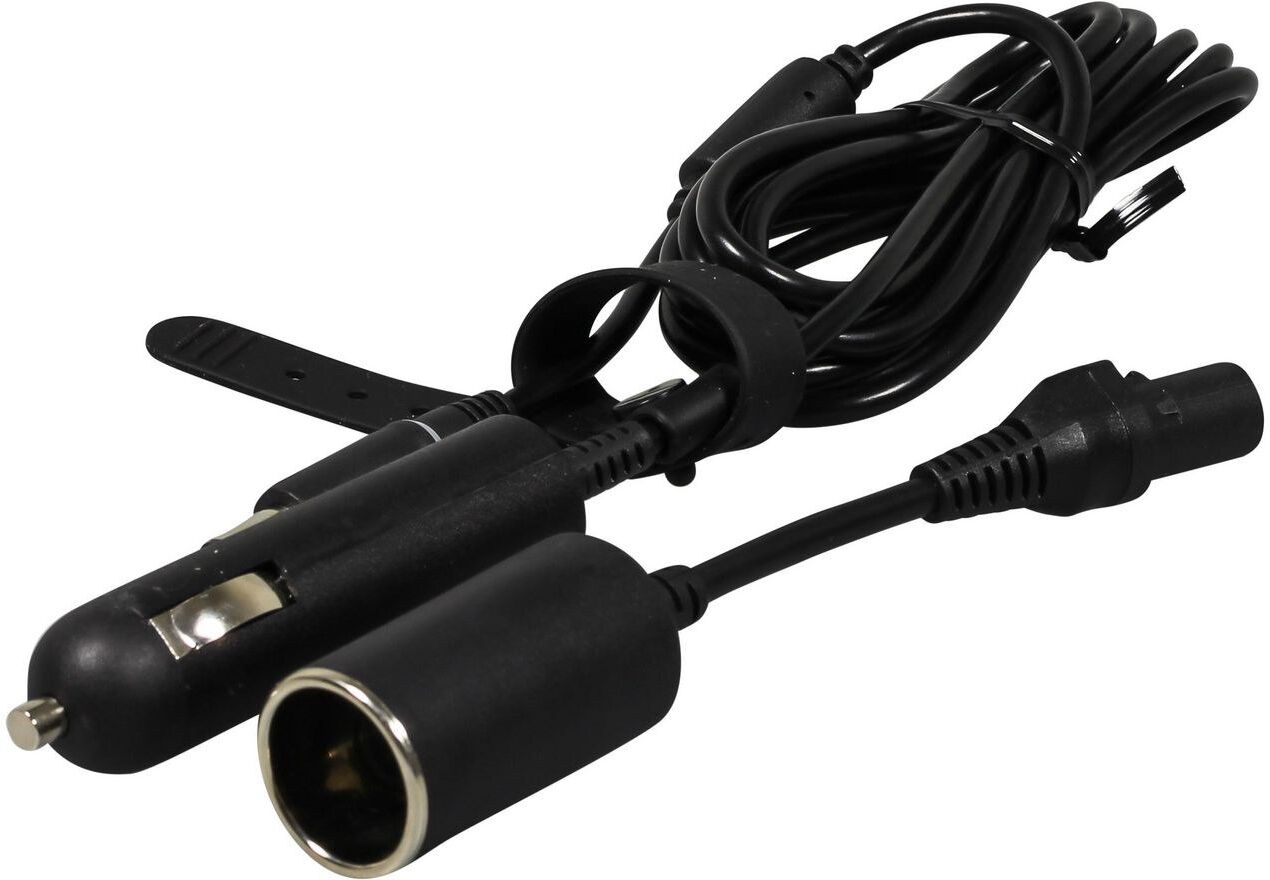

Similar search terms for Airplane
Top-Angebote
Products related to Airplane:



-
Why is airplane food usually too salty?
Airplane food is usually too salty because our taste buds are less sensitive to flavors at high altitudes, causing food to taste bland. To compensate for this, airlines tend to add more salt to their meals to enhance the flavor. Additionally, the dry cabin air can also affect our sense of taste, making us crave saltier foods. Lastly, pre-packaged meals are often prepared in bulk and reheated, which can lead to a loss of flavor, prompting the use of more salt to make the food taste better. **
-
Can you bring food on the airplane?
Yes, you can bring food on the airplane. Most airlines allow passengers to bring their own food and non-alcoholic beverages on board. However, there are some restrictions on the types of food and beverages that can be brought through security, so it's best to check with the airline or TSA guidelines before packing your own food for the flight. It's also important to be considerate of other passengers and avoid bringing strong-smelling or messy foods. **
-
Can you bring food onto the airplane?
Yes, you can bring food onto the airplane. However, there are some restrictions on what types of food you can bring, such as liquids or gels over 3.4 ounces. It's best to pack solid foods like sandwiches, fruits, or snacks in your carry-on bag. Be mindful of strong-smelling foods out of respect for other passengers. **
-
Which seats on the airplane were booked for the package tour?
The seats booked for the package tour were in the economy class section of the airplane. The package tour likely included a group booking for a specific number of seats in this section. This would allow the tour group to sit together and make the travel experience more convenient for everyone involved. **

Can you bring open food onto the airplane?
Yes, you can bring open food onto the airplane as long as it is not a liquid or gel exceeding 3.4 ounces. It is recommended to pack open food in a secure container to prevent spills or odors. Additionally, be mindful of any strong-smelling foods that may disturb other passengers. **
Why is the food expensive on the airplane?
The food on airplanes is expensive for a few reasons. First, the cost of preparing and packaging food for air travel is higher due to the need for special packaging and handling to ensure safety and quality. Additionally, the limited space on airplanes means that the selection of food items is more limited, and the cost of stocking and storing these items is higher. Finally, airlines often have a captive audience, as passengers have limited options for purchasing food once they are on the plane, allowing airlines to charge higher prices. **
Top-Angebote
Products related to Airplane:
-
Why is airplane food usually oversalted?
Airplane food is usually oversalted because our taste buds are less sensitive to flavors at high altitudes. The dry cabin air and low humidity levels can affect our sense of taste and smell, making food taste blander. To compensate for this, airlines tend to add more salt to their meals to enhance the flavor and make the food more palatable to passengers. Additionally, the pre-packaged nature of airplane meals can also contribute to the higher salt content, as it helps preserve the food for longer periods. **
-
Why is airplane food usually so salty?
Airplane food is usually salty because our taste buds are less sensitive to flavors at high altitudes, causing food to taste bland. To compensate for this, airlines tend to add more salt to their meals to enhance the flavors and make the food more palatable. Additionally, salt is a natural preservative that helps extend the shelf life of the food, which is important for meals served on long flights. Finally, the dry air in the cabin can also affect our taste perception, making us crave saltier foods. **
-
Why is airplane food usually too salty?
Airplane food is usually too salty because our taste buds are less sensitive to flavors at high altitudes, causing food to taste bland. To compensate for this, airlines tend to add more salt to their meals to enhance the flavor. Additionally, the dry cabin air can also affect our sense of taste, making us crave saltier foods. Lastly, pre-packaged meals are often prepared in bulk and reheated, which can lead to a loss of flavor, prompting the use of more salt to make the food taste better. **
-
Can you bring food on the airplane?
Yes, you can bring food on the airplane. Most airlines allow passengers to bring their own food and non-alcoholic beverages on board. However, there are some restrictions on the types of food and beverages that can be brought through security, so it's best to check with the airline or TSA guidelines before packing your own food for the flight. It's also important to be considerate of other passengers and avoid bringing strong-smelling or messy foods. **
Similar search terms for Airplane
-
Can you bring food onto the airplane?
Yes, you can bring food onto the airplane. However, there are some restrictions on what types of food you can bring, such as liquids or gels over 3.4 ounces. It's best to pack solid foods like sandwiches, fruits, or snacks in your carry-on bag. Be mindful of strong-smelling foods out of respect for other passengers. **
-
Which seats on the airplane were booked for the package tour?
The seats booked for the package tour were in the economy class section of the airplane. The package tour likely included a group booking for a specific number of seats in this section. This would allow the tour group to sit together and make the travel experience more convenient for everyone involved. **
-
Can you bring open food onto the airplane?
Yes, you can bring open food onto the airplane as long as it is not a liquid or gel exceeding 3.4 ounces. It is recommended to pack open food in a secure container to prevent spills or odors. Additionally, be mindful of any strong-smelling foods that may disturb other passengers. **
-
Why is the food expensive on the airplane?
The food on airplanes is expensive for a few reasons. First, the cost of preparing and packaging food for air travel is higher due to the need for special packaging and handling to ensure safety and quality. Additionally, the limited space on airplanes means that the selection of food items is more limited, and the cost of stocking and storing these items is higher. Finally, airlines often have a captive audience, as passengers have limited options for purchasing food once they are on the plane, allowing airlines to charge higher prices. **
* All prices are inclusive of VAT and, if applicable, plus shipping costs. The offer information is based on the details provided by the respective shop and is updated through automated processes. Real-time updates do not occur, so deviations can occur in individual cases. ** Note: Parts of this content were created by AI.